

The University of Nebraska–Lincoln’s TransformED initiative, in partnership with the Nebraska Academy for Early Childhood Research, hosted a virtual Community Partner-Researcher Roundtable on May 13. The event brought together leaders from Nebraska’s early childhood practice and research communities to identify shared priorities for improving outcomes among young children and strengthening the early care and education workforce.
More than 30 program administrators, university researchers, and state and community partners joined the statewide gathering to share insights around a topic that is vital to the state’s future: supporting young children’s social and emotional development. Research shows high-quality care and education focused on building children’s social skills and emotional well-being is important for lifelong success.
Participants explored challenges and opportunities in this area, with the goal to develop a collaborative research agenda.
“This roundtable was an important step toward building stronger connections between the practice and research communities,” said Lisa Knoche, director of NAECR. “By bringing together diverse voices, we can co-create meaningful research questions and identify solutions that truly support the needs of Nebraska’s children and those who care for them.”
A panel discussion featured Jill Bomberger, Head Start director at the Community Action Partnership of Lancaster and Saunders Counties; Mark Hald, clinical psychologist at Options in Psychology in Scottsbluff; and Nici Johnson, director of early childhood at Educational Service Unit 13.
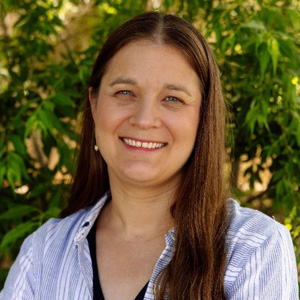
Jill Bomberger
Head Start Director
Community Action Partnership of Lancaster and Saunders Counties

Mark Hald
Clinical Psychologist
Options in Psychology, Scottsbluff

Nici Johnson
Director of Early Childhood
ESU 13
Panelists described seeing stress and anxiety surge in recent years among educators and families, emphasizing the need for more evidence-based resources and systems-level coordination to meet children’s needs.
“In the past couple of years, we’ve seen a pretty significant change, both the number of children in our classrooms who have developmental needs and also the number of those children who really require high levels of support from adults in their lives,” Bomberger said. “We’ve been exploring a lot of different options to meet those support needs and trying some innovative and different things. But it’s sort of like the analogy you hear everyone use these days — we’re building the plane while we’re flying it.”
While Nebraska’s early childhood system is facing complex challenges, panelists noted that there are many strengths to build upon, particularly around coaching and reflective practice.
“We have embraced a lot of coaching models out here in the Panhandle and I think that being able to coach those adults who are engaged with kids is so impactful,” Johnson said. “You know, [coaching] everything from just basic things like communicating with parents and being reflective.”
Instead of rushing to try something new, Hald said, educators should focus on what is already making a difference.
“I think the most pressing need is to not move away from what we’re doing — to keep doing and firm up and expand within the things we know that are helping,” Hald said. “I think too many times we move on to the next thing without really doing well what we’ve started.”
Following the panel, participants engaged in small-group discussions. Four key priorities emerged to guide future research, collaboration and policy development:
- Understand the use and effectiveness of Developmentally Appropriate curriculum to support children’s social and emotional development, including play-based models.
- Identify strategies for communicating with and supporting parents.
- Improve professional development and career pathways for early childhood educators.
- Promote early childhood systems integration and collaboration.
The next phase of this work involves translating these priorities into a shared research agenda that advances the field’s efforts to promote children’s social and emotional development.
The University of Nebraska–Lincoln’s TransformED is a collaborative research initiative that promotes children’s social and emotional development by enhancing early childhood education services, strengthening connections across systems and supporting the workforce. TransformED is funded by a Grand Challenges Catalyst grant from the UNL Office of Research and Innovation.