
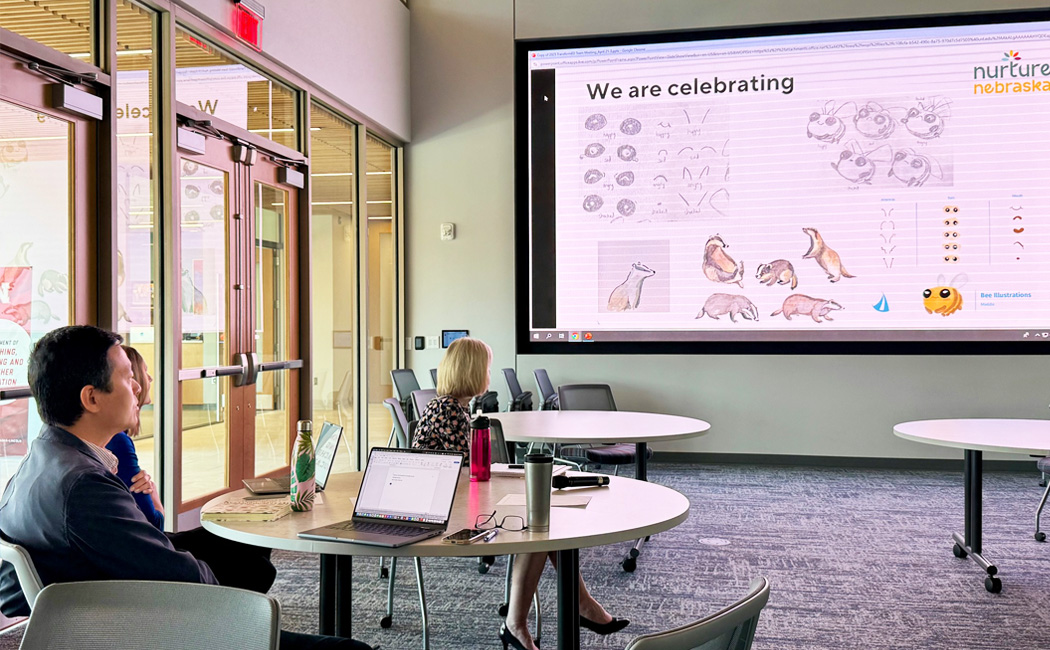
How do we truly understand a young child’s social and emotional development? Traditional tools used to measure these critical skills often miss the mark — offering vague scores and failing to reflect the strengths, goals, and values of families and early childhood educators.
That’s why researchers at the University of Nebraska–Lincoln are creating a new social and emotional assessment tool with input from the people who know children best: parents and educators.
The innovative tool, part of UNL’s TransformED initiative, aims to provide meaningful data on children’s social and emotional development to inform research, and most importantly, to help educators improve practices, manage challenging behaviors and reduce workload.
Find details below on how to participate in this important work.
What is social and emotional development — and why does it matter?
Social and emotional development refers to a child’s ability to create and sustain positive relationships with others. Social and emotional skills also help children understand and manage their emotions and make thoughtful decisions.
By fostering these skills early, children develop self-confidence and are better prepared to succeed in school and in life — creating a strong foundation for lifelong resilience and empathy.
“We need a more holistic way to understand what social and emotional development looks like in everyday environments — such as homes and preschools,” said Carrie Clark, associate professor of educational psychology. “Our goal is to provide educators with meaningful insights to better understand and respond to children’s needs.”
What makes this assessment tool different than others?
The TransformED team’s assessment tool stands out from other available tools because it integrates observations, classroom work samples and parent input — not just numbers.
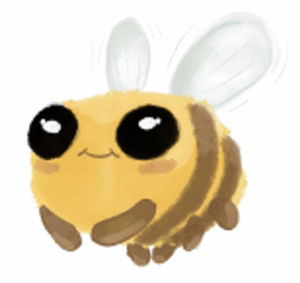
It also includes an interactive children’s story, “Blaze’s Big Day,” developed in partnership with students and faculty from the UNL College of Journalism and Mass Communications.
The story follows Blaze, a curious bee, on an adventure where he encounters new situations and experiences a range of emotions along the way.
Focus groups with parents, educators and administrators have been conducted to ensure the tool reflects what matters most to them, Clark said.
“Many existing measures were designed for diagnostic use by researchers and health professionals — not for the day-to-day needs of children, families or educators. These measures often lack cultural relevance and don’t translate easily into classroom practice,” Clark said. “If we want to transform early childhood education and support a strong workforce in Nebraska, we need a new approach to monitoring children’s social and emotional development — one that reflects real-world values and experiences.”
How can families get involved?
The TransformED team is seeking additional families to use the tool and help researchers make future improvements. All parents of children ages 3 to 6 in Nebraska are encouraged to participate.
Participation involves reading a digital storybook on a phone or tablet while the tool captures children’s responses to simple, story-based questions. Afterward, parents complete a brief survey about their child’s experience.
As a thank you, participating parents will receive a $25 gift card.
To learn more and sign up, please email the UNL Brain, Learning and Behavior Lab at blablab@unl.edu.

The University of Nebraska–Lincoln’s TransformED is a collaborative research initiative that promotes children’s social and emotional development by enhancing early childhood education services, strengthening connections across systems and supporting the workforce. TransformED is funded by a Grand Challenges Catalyst grant from the UNL Office of Research and Innovation.