
What is Thriving Children?
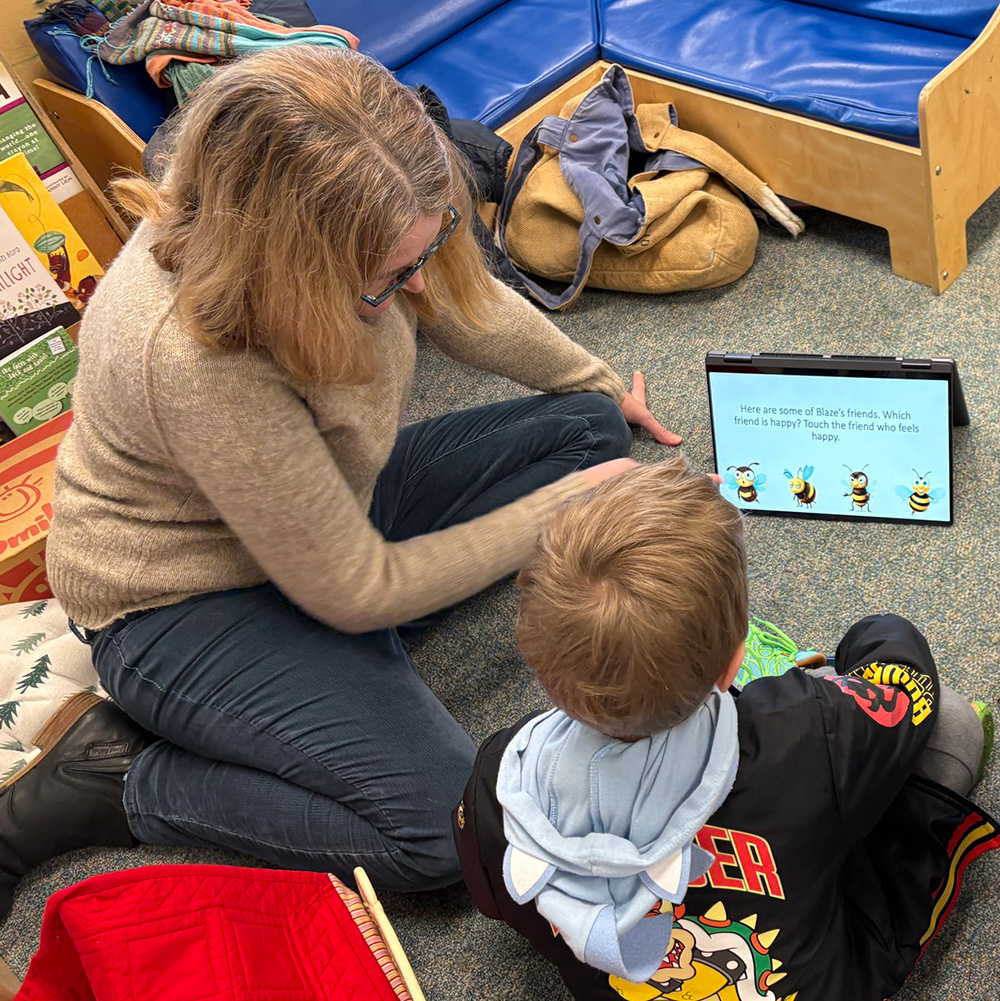
The TransformED team is developing a tool to better understand young children’s social and emotional development. The tool, known as Thriving Children, provides meaningful data to support early childhood research — and, most importantly, to help educators improve practices, manage challenging behavior and reduce their workload. Understanding children’s social and emotional skills allows parents and teachers to provide targeted and meaningful learning experiences. The assessment includes an interactive digital storybook for children and questionnaires for teachers and parents.
What is Social and Emotional Development?
- Social and emotional development refers to a child’s ability to create and sustain positive relationships with others.
- Social and emotional skills help children understand emotions, manage behavior and make thoughtful decisions.
- Building these skills early on in life boosts self-confidence and lays the foundation for success.
We need a more holistic way to understand what social and emotional development looks like in everyday environments — such as homes and preschools. Our goal is to provide educators with meaningful insights to better understand and respond to children’s needs.
What makes the Thriving Children tool unique?
The Thriving Children tool goes beyond numbers by assessing children’s social and emotional skills through real-world observations, classroom work and parent input.
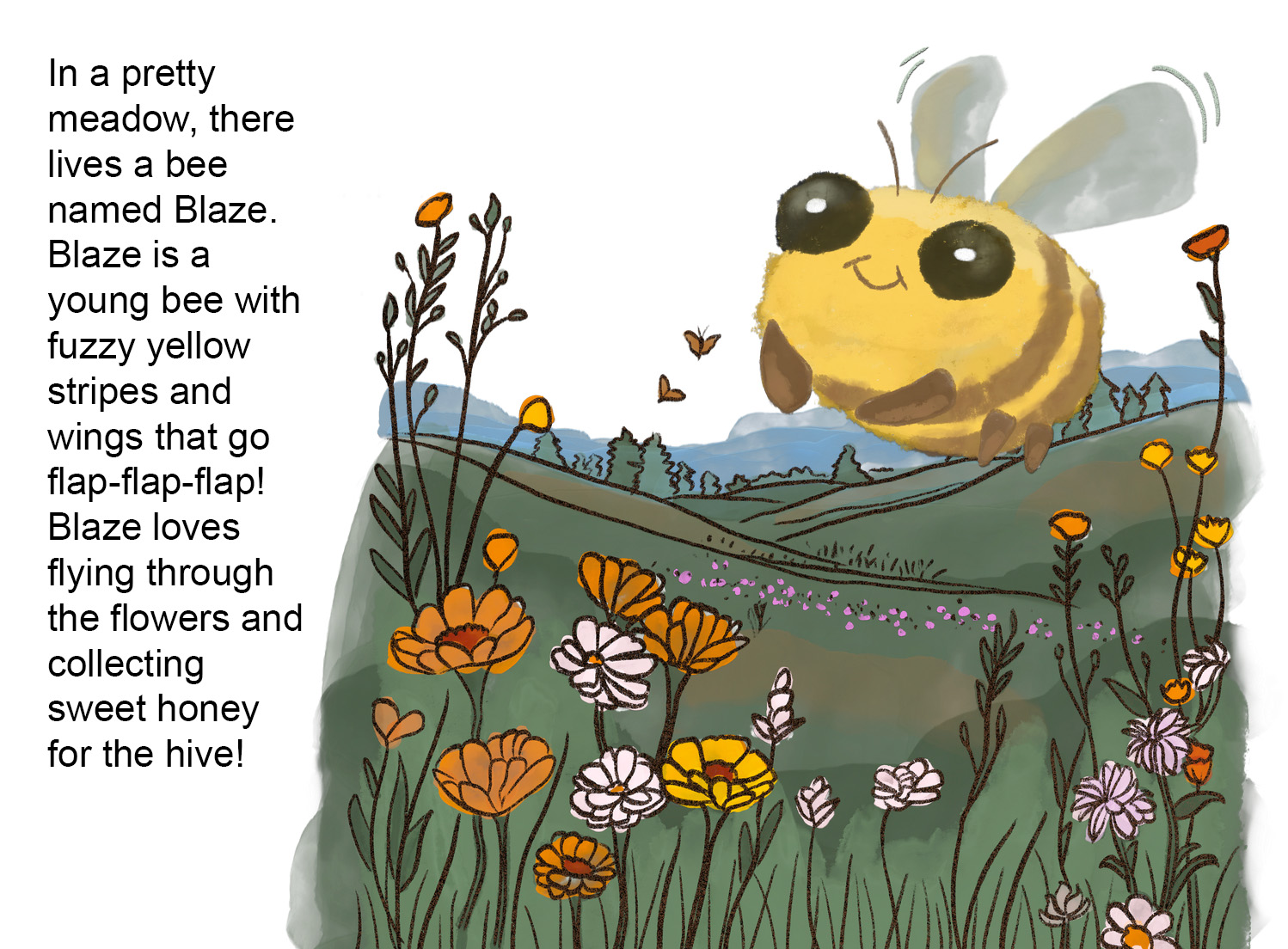
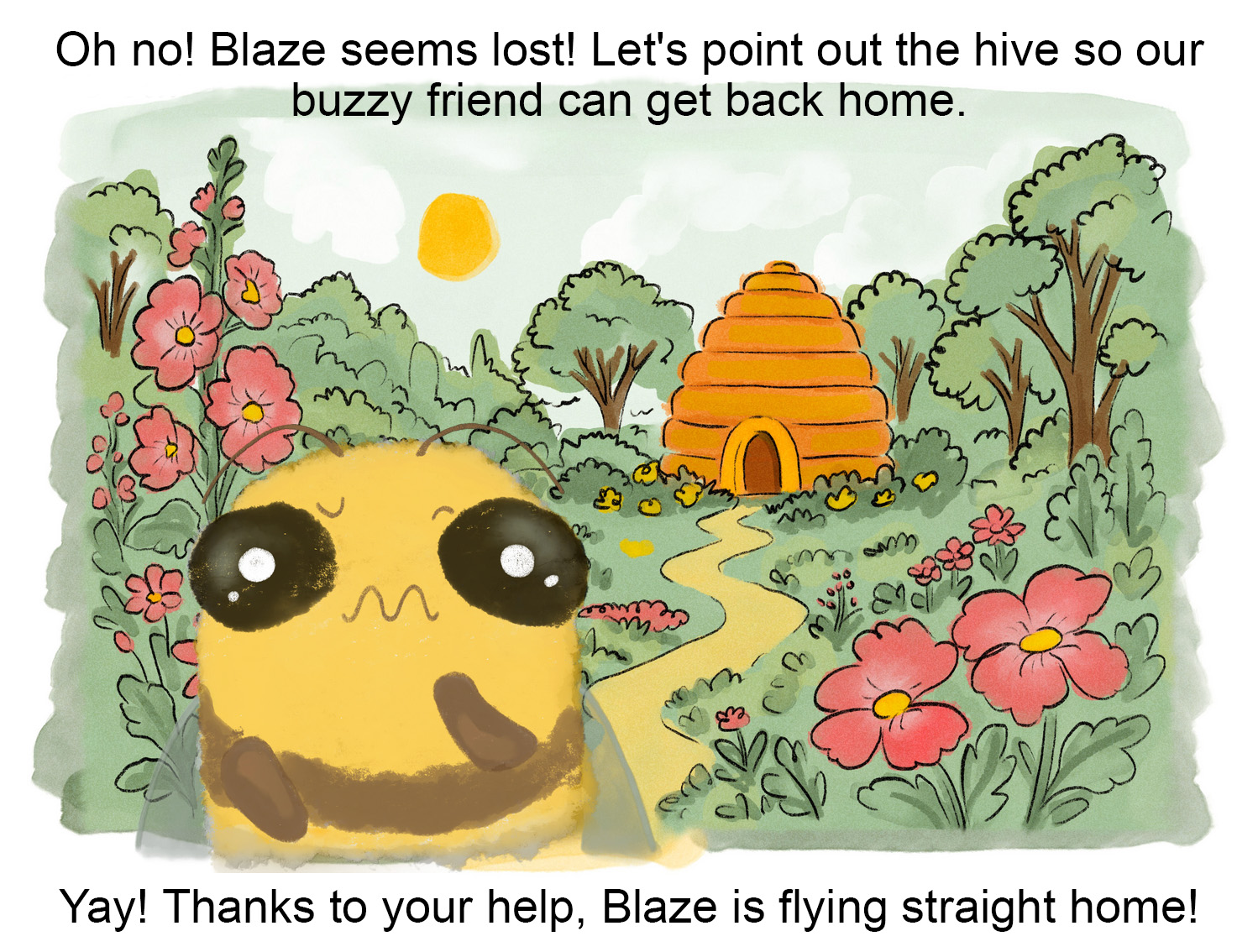
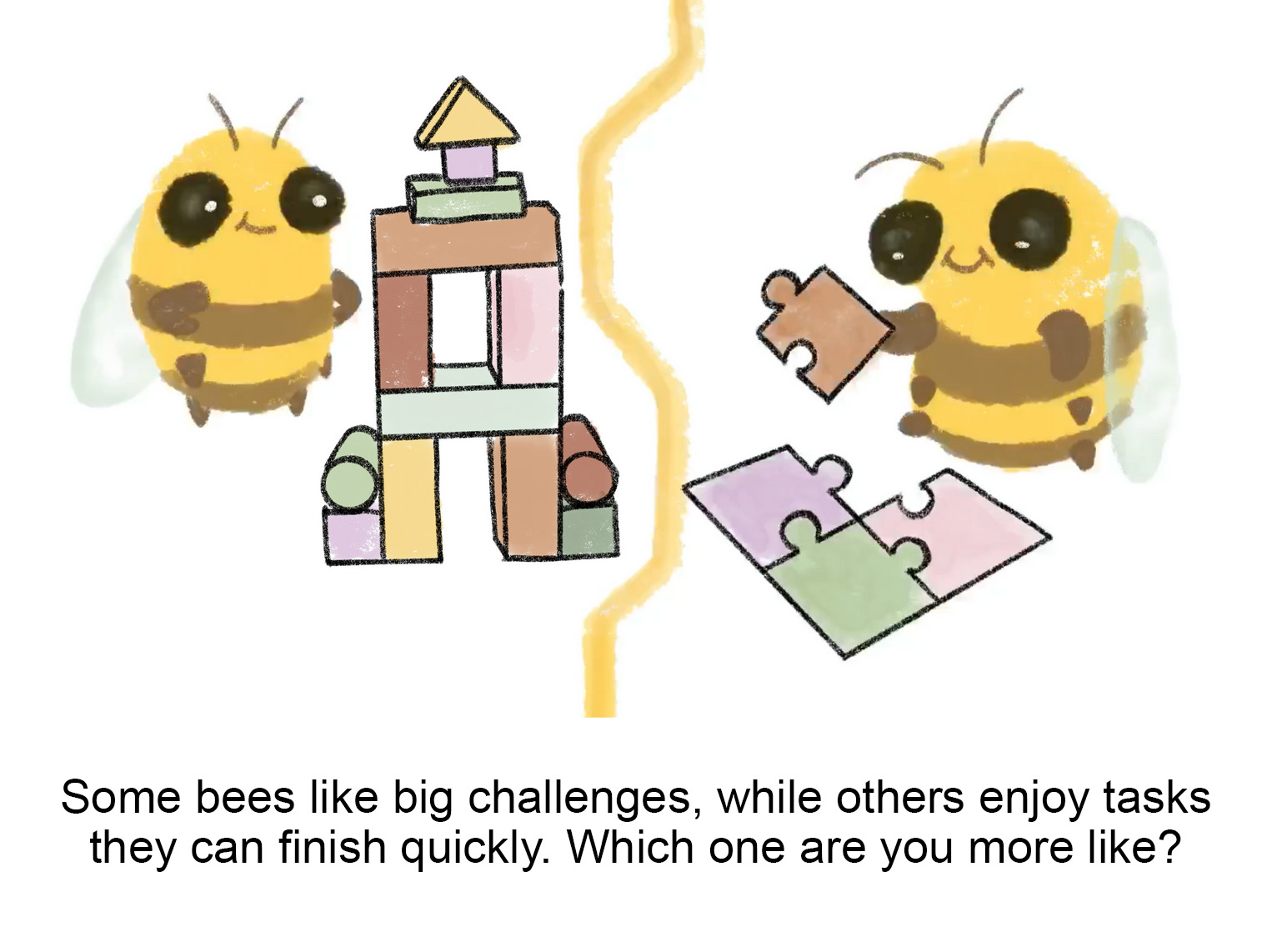
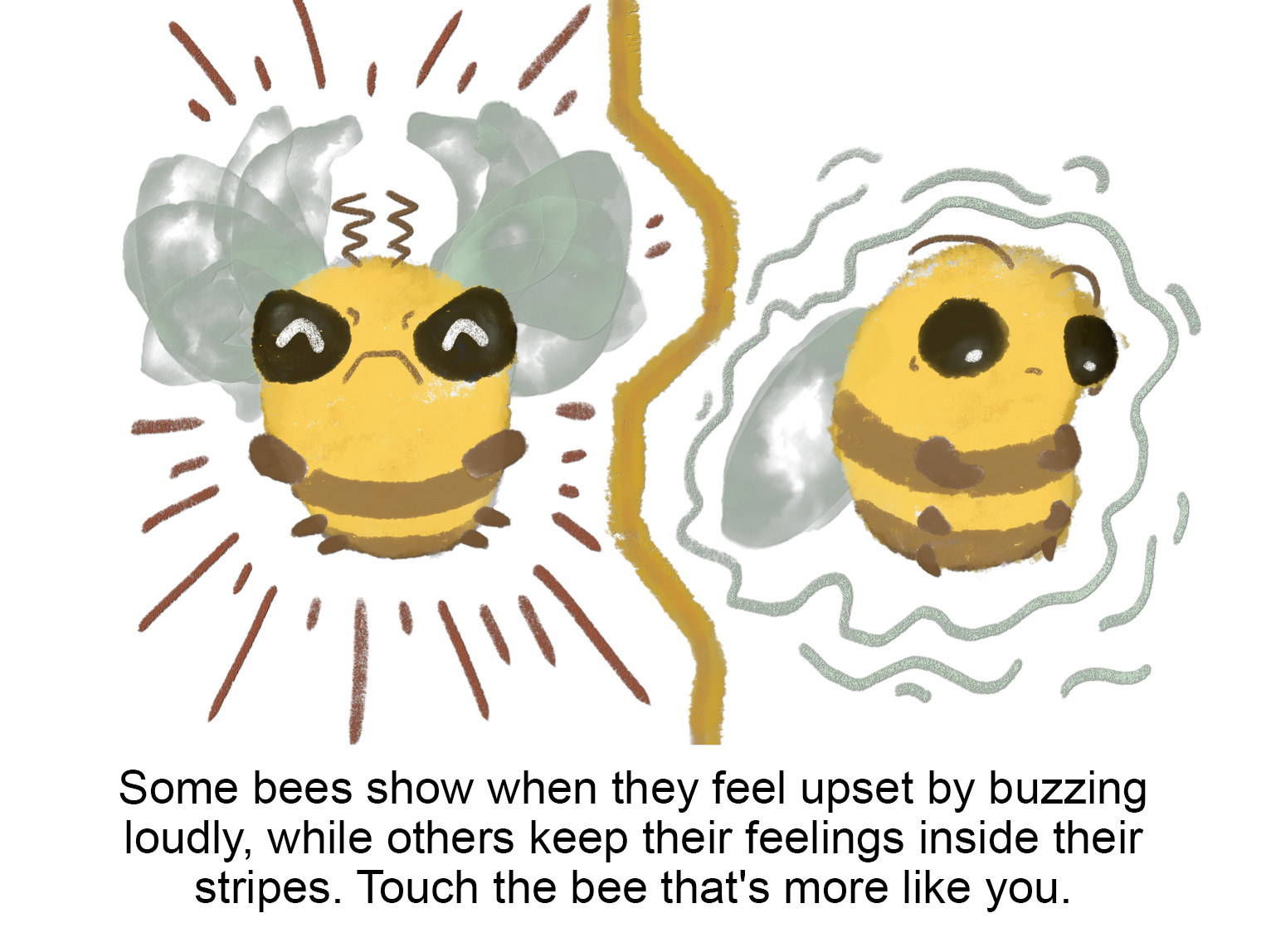
Data are gathered, in part, through “Blaze’s Big Day” — an interactive, digital storybook for children featuring a curious bee who navigates new experiences and emotions.
The tool was developed with input from parents and educators to be culturally relevant, easy to use and reflect what matters most to them.
Sample pages from “Blaze’s Big Day.”
Who is involved?
- The TransformED assessment work is led by Carrie Clark, associate professor of educational psychology, along with UNL faculty members Jenny Leeper Miller, Soo-Young Hong, Jenna Finch and Julia Torquati.
- Dozens of early childhood teachers, children and their families across Nebraska have tested the tool to date.
- Students and faculty from the Jacht Ad Agency at the UNL College of Journalism and Mass Communications are key partners in developing the interactive story book components.
Teacher Testimonials
Interested?
If you’re interested in learning more, email the UNL Brain, Learning and Behavior Lab at blablab@unl.edu.